Health & Wellness
Collagen
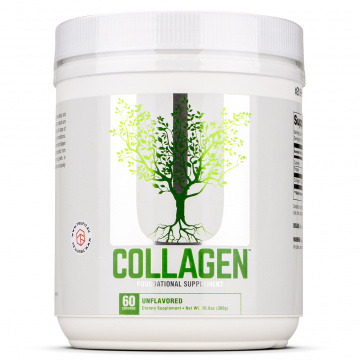
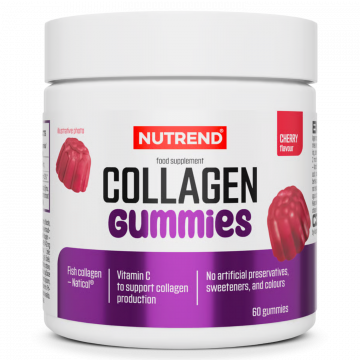
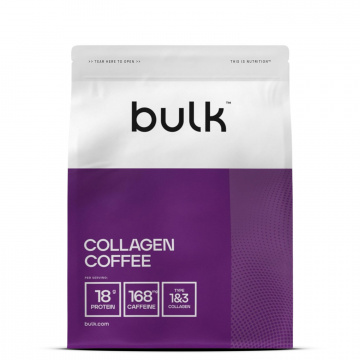
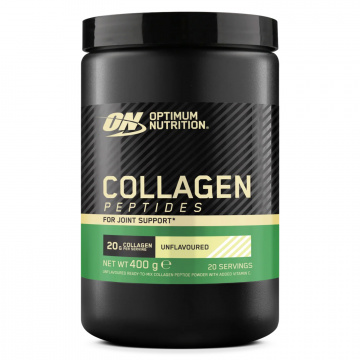
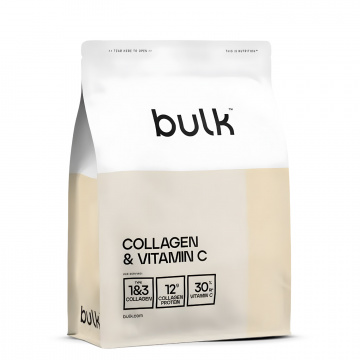
Collagen is the most abundant protein in the body and the main building block of skin, bones, cartilage, tendons and ligaments. Supplements usually contain hydrolysed collagen peptides that mix and absorb easily. Here you will find collagen powders with and without vitamin C, marine collagen, type II collagen for joints, liquid collagen shots, gummies and collagen for coffee.
Collagen is a structural protein that makes up about a third of all protein in the human body. It gives skin its firmness and elasticity and holds together bones, cartilage, tendons and ligaments. The body makes collagen itself from amino acids, mainly glycine, proline and hydroxyproline, and needs vitamin C to do it. With age, production slows down, which is one reason people take collagen supplements.
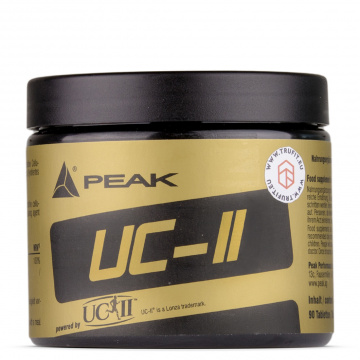
Most collagen supplements contain hydrolysed collagen, also called collagen peptides: collagen broken down into small pieces that dissolve easily in water, coffee or a smoothie. Bovine collagen provides mainly types I and III, found in skin, bones and tendons. Marine (fish) collagen is mainly type I and suits people who do not eat beef or pork. Undenatured type II collagen (UC-II) is a different product taken in a small daily dose of about 40 mg for joint support.
Collagen comes as unflavoured or flavoured powder, liquid shots, capsules, gummies and coffee creamers. Many products add vitamin C, which contributes to normal collagen formation. For skin, hair and nails see also beauty supplements.
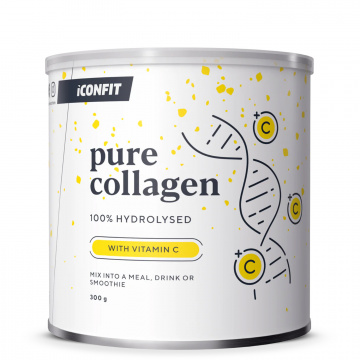
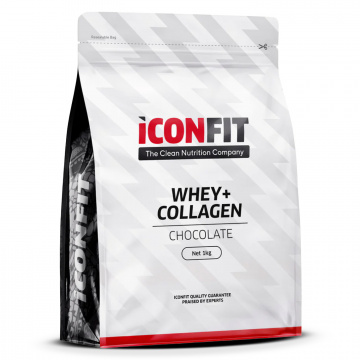
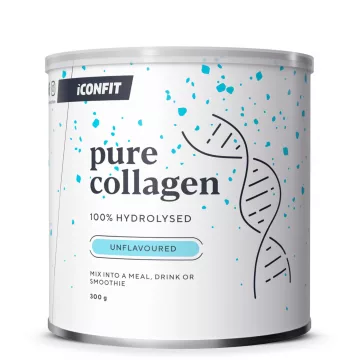
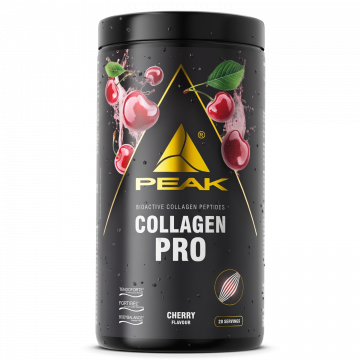
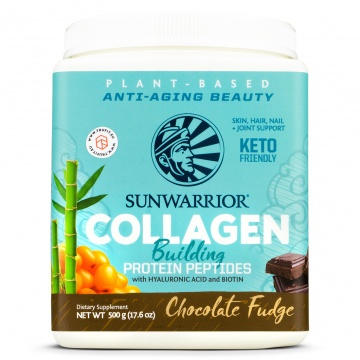
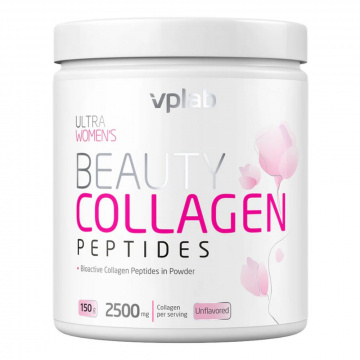
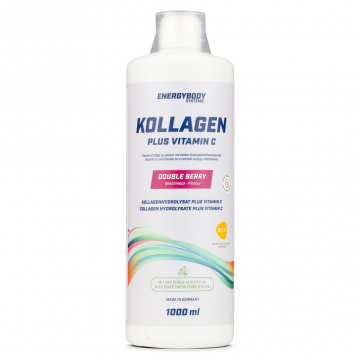
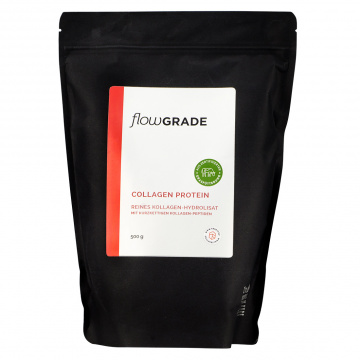


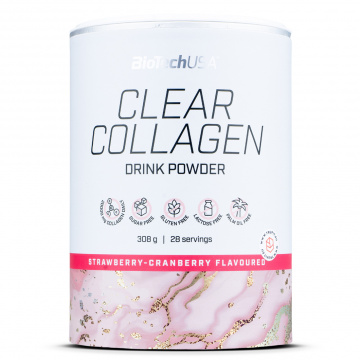
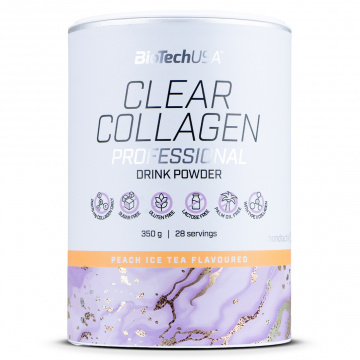
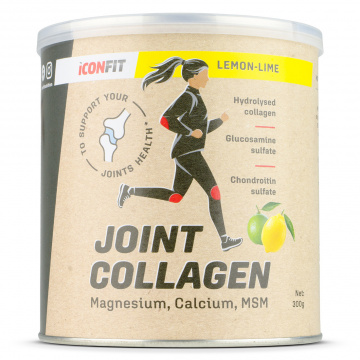
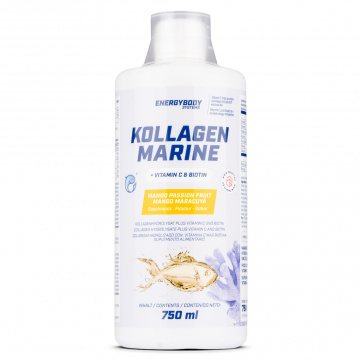
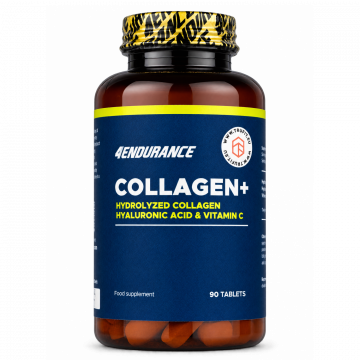
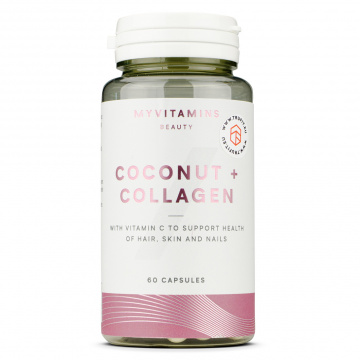
Collagen
Frequently Asked Questions
What is collagen?
Collagen is the main structural protein in the body: it makes up about 30% of all protein and is found in skin, bones, cartilage, tendons, ligaments and blood vessels. There are 28 types, but types I, II and III make up most of it. Collagen supplements are usually made from bovine or pork hide or fish skin, and some from chicken cartilage, and hydrolysed into peptides so they dissolve and absorb easily.
Which collagen is best?
The best collagen depends on your goal. For skin, hair and nails, choose hydrolysed collagen peptides (types I and III), bovine or marine, in a dose of 2.5–10 g a day. For joints, choose either hydrolysed collagen at about 10 g a day or undenatured type II collagen at 40 mg a day. Products with added vitamin C are a good choice if you do not already take it.
Does collagen help joints?
Studies suggest that collagen can help reduce joint discomfort in active people and people with worn cartilage. Two kinds work differently. Hydrolysed collagen is a building material: the body uses its amino acids for cartilage, so you need grams, about 10 g a day. Undenatured type II collagen (UC-II) is not broken down and works as a signal rather than a building material: studies suggest it helps the immune system calm inflammation in the joints, so 40 mg a day is enough. Collagen is often combined with glucosamine, chondroitin or MSM in joint supplements.
Does collagen help skin and hair?
Studies suggest that 2.5–10 g of collagen peptides a day for 8–12 weeks can improve skin hydration and elasticity. The peptides are thought to provide building blocks and signal skin cells to make more collagen. Evidence for hair is weaker than for skin, but collagen provides the amino acids hair and nails are built from. More products for this are in hair, skin and nails.
Marine or bovine collagen: what is the difference?
The main difference is the source. Marine collagen comes from fish skin and scales and is mostly type I, the type found in skin. Bovine collagen comes from cattle hide and contains types I and III. Both are hydrolysed into peptides and work in a similar way. Choose marine collagen if you do not eat beef, and bovine if you are allergic to fish.
How much collagen should I take per day and when?
Most studies use 2.5–10 g of hydrolysed collagen a day; for joints, about 10 g. Undenatured type II collagen is dosed differently, at about 40 mg a day. The time of day does not matter much: take it when it is easiest to remember, for example in your morning coffee or in a shake after training. Studies usually show results after 8–12 weeks of daily use.
Why is collagen combined with vitamin C?
Vitamin C is needed for the body to form collagen: it contributes to normal collagen formation for the normal function of skin, bones, cartilage and blood vessels. That is why many collagen products add vitamin C. If you already take vitamin C or eat plenty of fruit and vegetables, plain collagen is enough.
Collagen powder, liquid or capsules: which to choose?
Powder is the most practical way to get a full dose: one scoop gives 5–10 g of collagen and dissolves in water, coffee or a smoothie. Liquid collagen shots are ready to drink and convenient on the go. Capsules and gummies are easy to take but contain less collagen per serving, so you need several to reach the doses used in studies.
Can collagen replace protein powder?
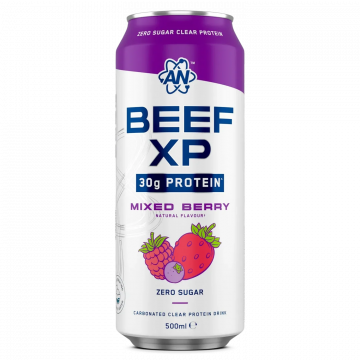
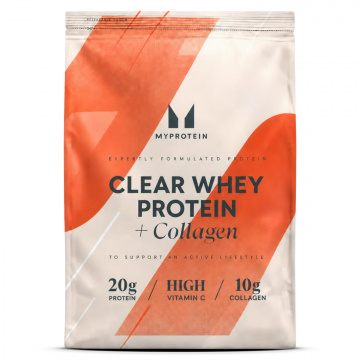
No, collagen is not a complete protein: it lacks the essential amino acid tryptophan and contains little leucine, which drives muscle growth. For building muscle, a whey or plant protein powder works better. Collagen can be added on top, and some protein powders already contain both.
Where can I buy collagen?
Order collagen here online: we deliver to 25 EU countries, including Finland, the Netherlands, Ireland, Spain, Germany, France and Italy. In Latvia you can also buy it in the TRUFIT stores in Riga (Brīvības iela 106) and Mārupe (Plienciema iela 5).

SIA Trufit; Reg.# 40203259346;
Brivibas street 106 - 1, Riga, LV-1001, Latvia
 © TRU·FIT - All rights reserved
 Loading, please wait ...